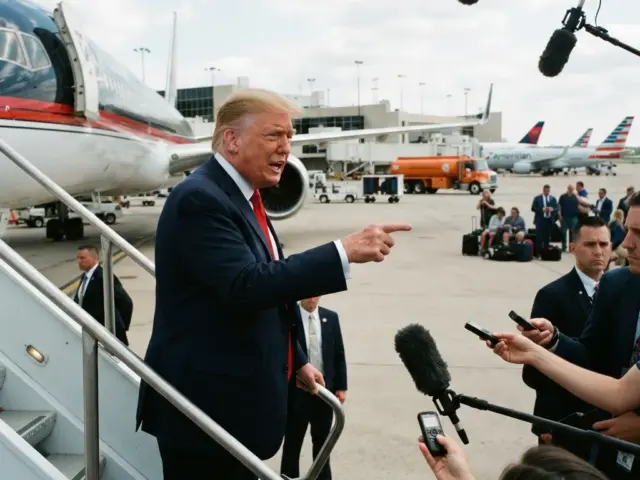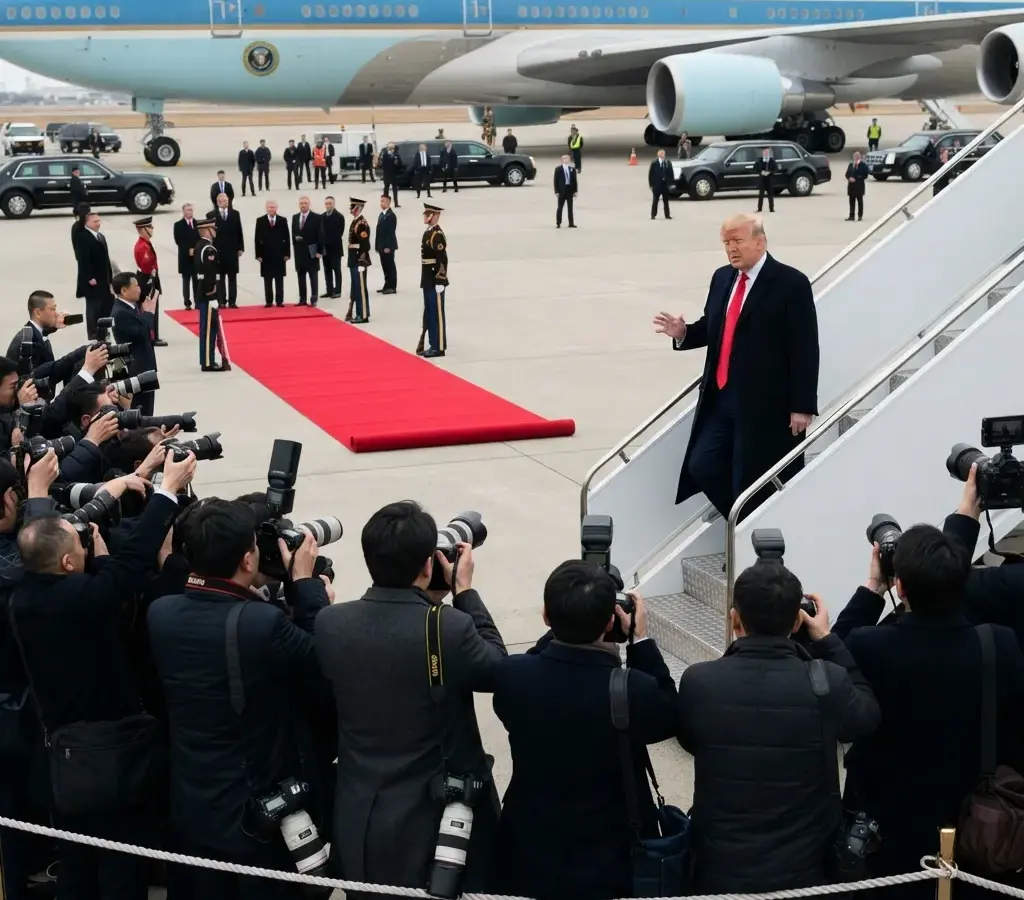
President Trump has embarked on a high stakes trip to Asia with plans to meet with the leaders of China and Russia, though analysts suggest the primary goal may be imagery rather than concrete diplomacy. During a recent discussion with Geoff Bennett, NPR’s Tamara Keith explained that while the president often seeks economic deals and nuclear discussions, he frequently operates on instinct rather than a rigid agenda. Because China has indicated it will not participate in denuclearization talks and the conflict in Ukraine remains an uncertain agenda item, many observers believe the real victory for Trump would simply be the visual of three global superpowers standing together.
Amy Walter of the Cook Political Report added that the timing of the summit carries significant political weight. Coming off midterm election losses and facing low approval ratings at home, the trip serves as a projection of strength. By positioning himself alongside world leaders, Walter suggests that Trump is attempting to signal that he remains a potent force on the world stage regardless of his domestic challenges or whether any tangible agreements are reached during these face to face encounters.
The international diplomatic push comes as tensions simmer at home over failing infrastructure and governance. President Trump recently shifted blame toward the Biden administration for systemic failures within the Federal Aviation Administration, despite contradictions regarding how previously allocated funds were handled. Both Keith and Walter pointed to a deepening rift between Congress and the executive branch, noting that billions of dollars meant for aviation improvements remain unspent due to administrative bottlenecks and a lack of mutual trust between lawmakers and officials.
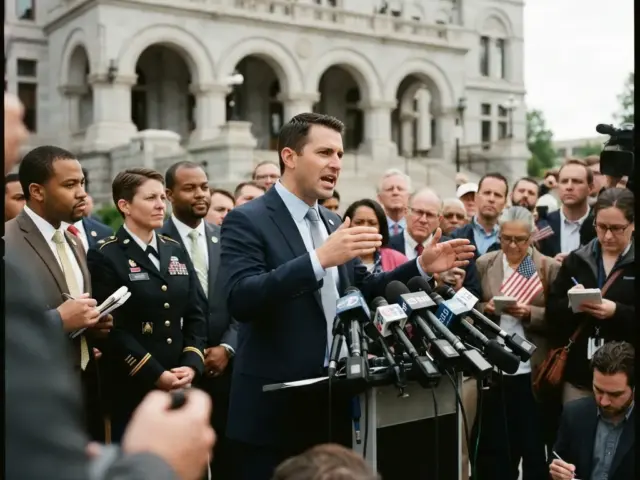
As the political landscape shifts toward 2027, internal battles are also erupting within the Democratic party. Senator Chris Van Hollen has launched a challenge against long time leader Chuck Schumer, arguing that Democrats must abandon business as usual to truly win back voter trust following their performance in recent elections. Backed by progressives and several senators elect, Van Hollen is framing his bid as a necessary break from the status quo, signaling a potential ideological shift in how Senate Democrats approach opposition to the current administration.